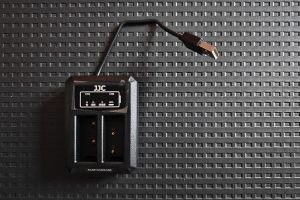
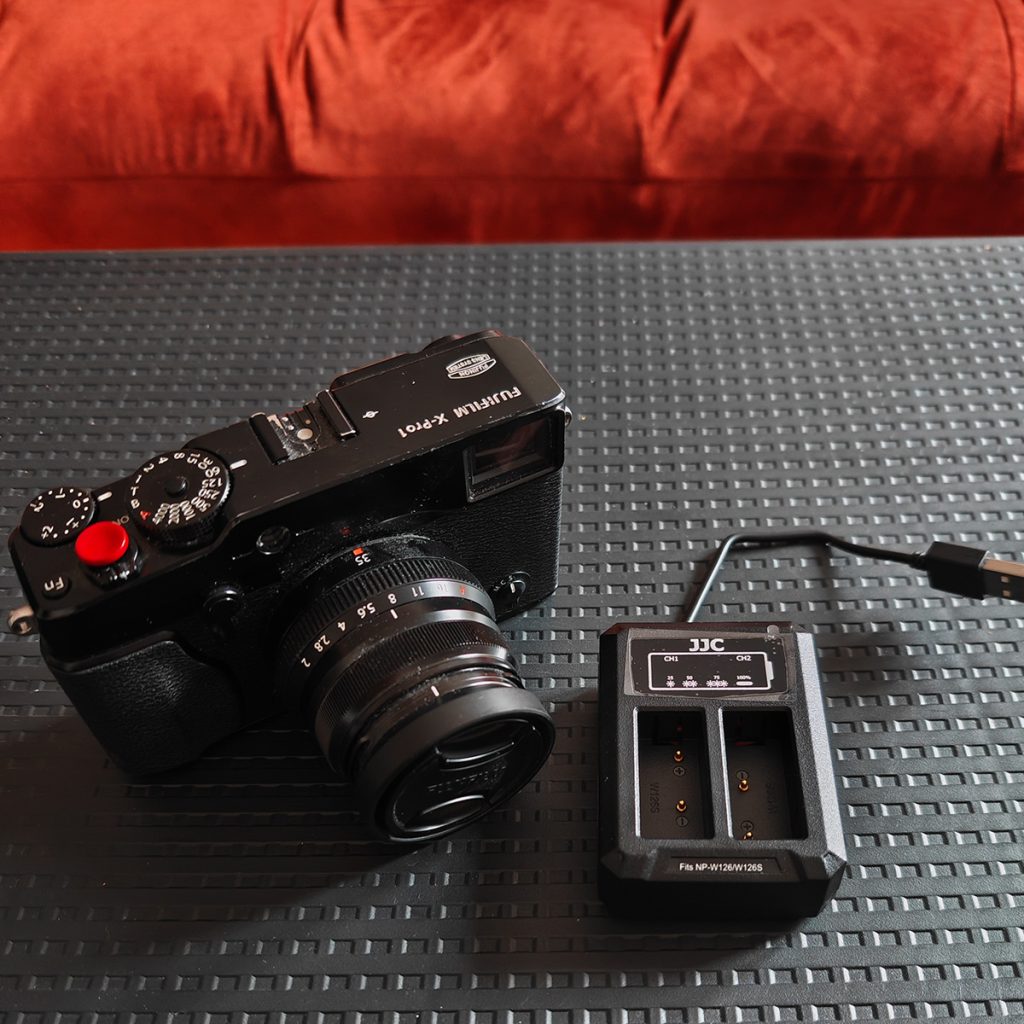
As mentioned in Return to Blog about starting to use the Fujifilm X-Pro 1 again, I charged its NP-W126 battery. I’m using the JJC USB Dual Battery Charger (as my second Hand X-Pro 1 didn’t come with the Fujifilm charger). I thought it wasn’t working. I had plugged it into my laptop, seated the battery and, nothing happened. Nothing happened again and even a couple of hours later, nothing had happened. I was expecting a little red dot, a light, flashing or otherwise. There was however, no red light denoting it was charging, so I did the only thing I could, I ordered a different charger (the K&F CONCEPT NP-W126S NP-W126 Dual Battery Charger). Then, a red flashing light started! It flashed for many hours. It then stopped flashing. The battery was charged. If I had only been a little more patient, or if I had been given a little bit of feedback, I could have saved my self some pounds.
The X-Pro 1 jumped into life but it was getting late, and I needed some time to refamiliarise myself the Fujifilm way of life. I could however, go to bed knowing that it still worked (phew!).
It will be interesting to see if the K&F provided feedback as to its charging status, right from the off. I know my Nikon charger does.
Feedback is an important thing, in all walks of life, including photography, especially with battery charging, it turns out.
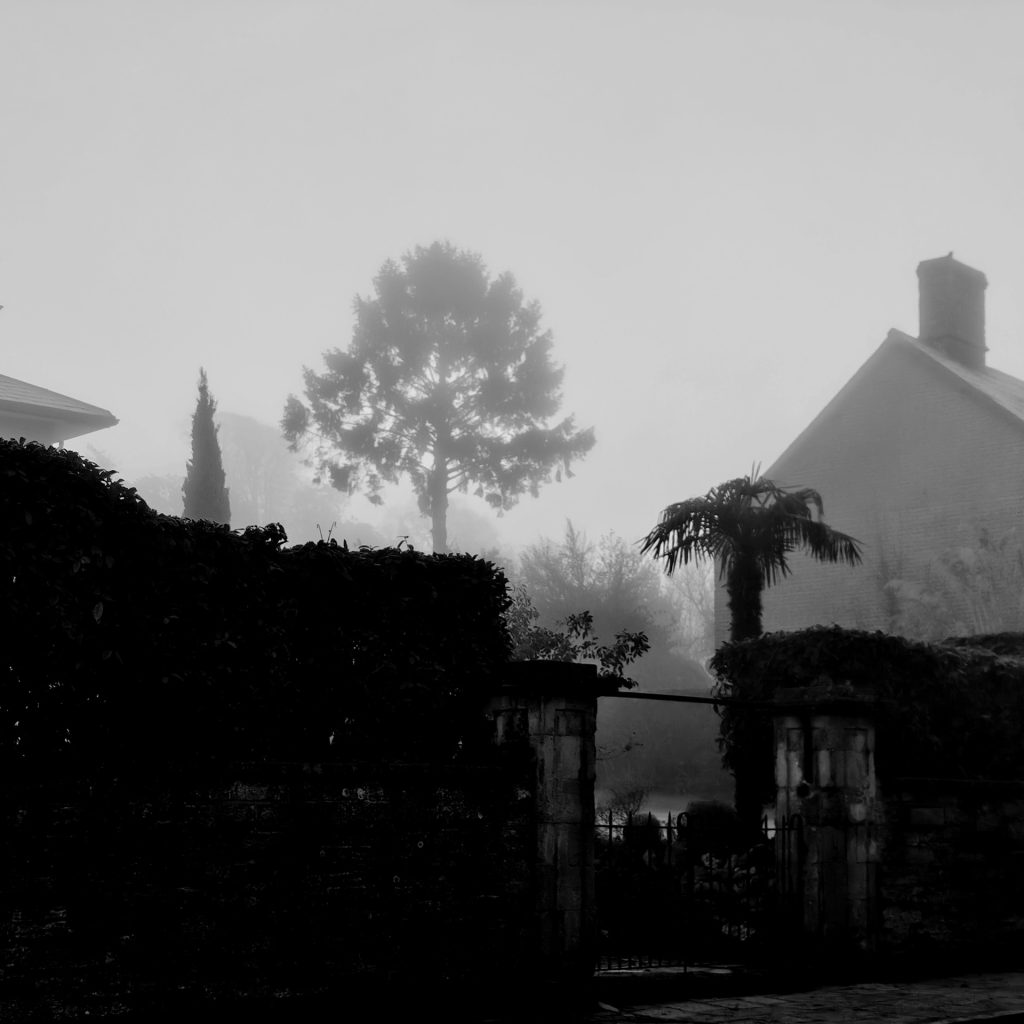
The opportunity for a January morning walk in the mist in Glastonbury. Everything still, muted and serene…
The last series of images I took in mist were in Ely, Cambridgeshire in 2022. Boats in the Mist focussed upon narrowboats and river boats on the River Great Ouse; we were living aboard a narrowboat at the time. Now back on dry land, the location has changed dramatically but the mist always presents opportunities to abstract the world.
The above image was one I felt captured the moment. More images at murpworkschrome
I return to blog, this blog in particular after a considerable amount of time. I realise that although a lot has changed, a lot hasn’t. When I pinned the image of the Ukraine flag to the top of the blog in 2022, I thought it would be a temporary thing. I thought a few months, and a sense would have returned to the world. In 2026 however, the world has become a less sensible place; more wars, the threat of AI, Social media’s manipulation, a further moving to the right across Europe and the world. It feels as if there is little an individual can do, so I photograph.
Change is Constant
Looking back through the first part of light on a lens, I see the car has changed, where we live has changed, the cameras I use have changed and what we want to do has changed. As a consequence, what I photograph has changed. However, murpworkschrome will remain the home of my images
I photograph in black & white and colour, although black and white is probably going to dominate. I’m predominantly using a Nikon Z 7 II with a Z 28mm f2.8 lens. I’m going to start using the Fujifilm XPro-1 and from the end of May, I will have the Nikon Df again; I immediately regretted selling it but have managed to obtain one in a great condition (thanks to MPB).
So, a return to blog – renewed vigour in a time of uncertainty and worry.
I first heard about Seahenge via an Archaeology magazine when its discovery was published. It piqued my interest as I lived in Wiltshire for many years; the home of Stonehenge. The idea of a watery counterpart, as it were, was intriguing. I kept the magazine for years and years but I think it went the way of all things – it got lost in a house move.
I now live in East Cambridgeshire, which is very near to the location of Seahenge. So, it wasn’t long before a visit was on the cards – in search of Seahenge. It was discovered at Holme-next-the-Sea, on the North Norfolk coast, just above Hunstanton in 1998
The details of the monument are well documented and a bit of searching (using this resource) hi-lighted a few of things
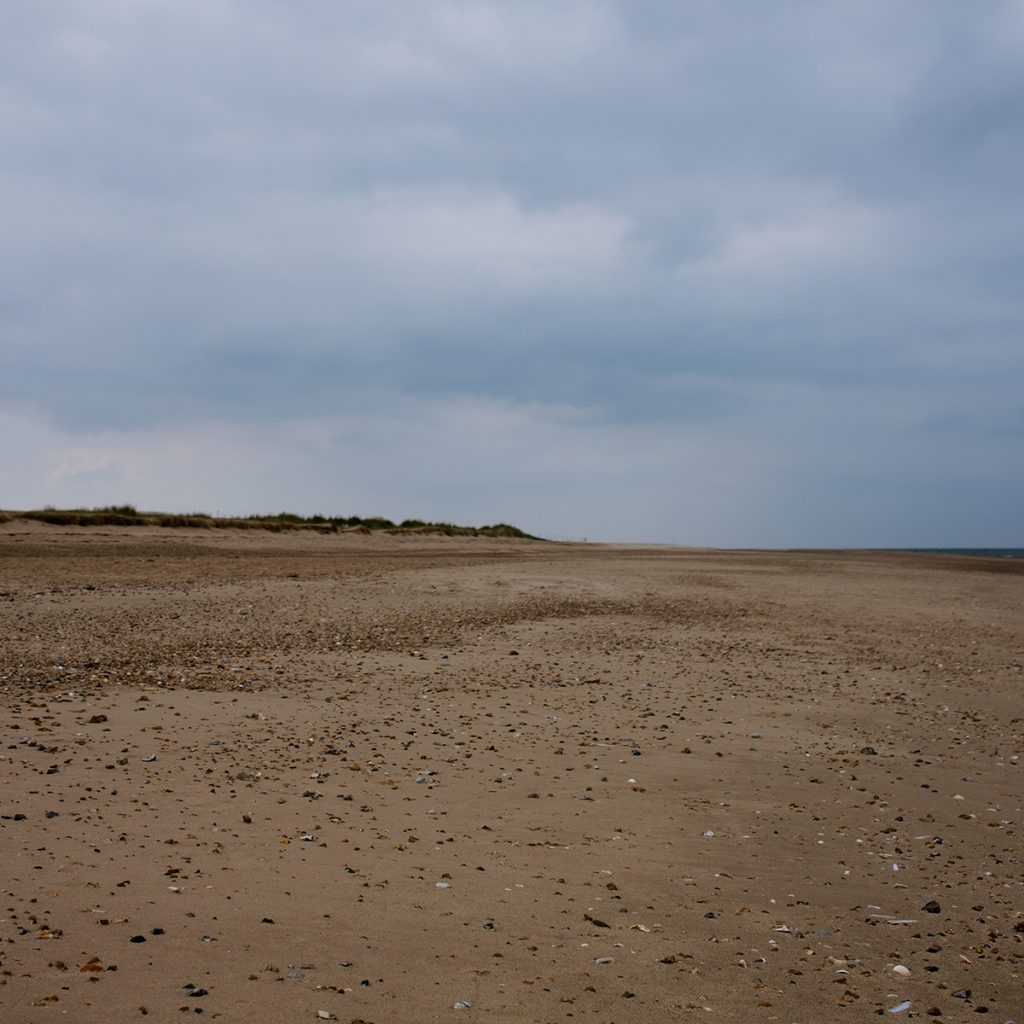
There’s nothing to see at Holme-next-the-Sea
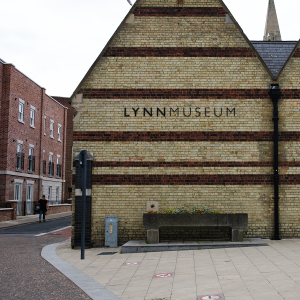
The monument (designated Holme I) was removed, stabilised and found its resting place at King’s Lynn at the Lynn Museum
There was a ‘Holme II’, a second ‘Seahenge discovered in 1999, very close to Holme I but this was left in situ, to be buried by the sea again
I was unperturbed, I still wanted to visit the site, to get a feel for the place where this ancient henge was sited.
North Norfolk Coast
mu and I set off on a cool morning and made our way to the north coast of Norfolk. It was an easy drive, near due North for us from Ely. We made for Thornton as it was nearby, we had been there before and I remembered there was coffee there, at the Thornton Deli. The car park was full so no coffee yet. We drove back, over to Holme.
The approach to the coast where Seahenge is located is via a Golf Course. However, there was a tournament on, so the road was closed. We would have to take an alternative route, avoiding the course. We actually decided to visit Thornton and The Old Harbour there first, saving the ‘henge’ for later. A lot of backwards and forwards…
Thornton
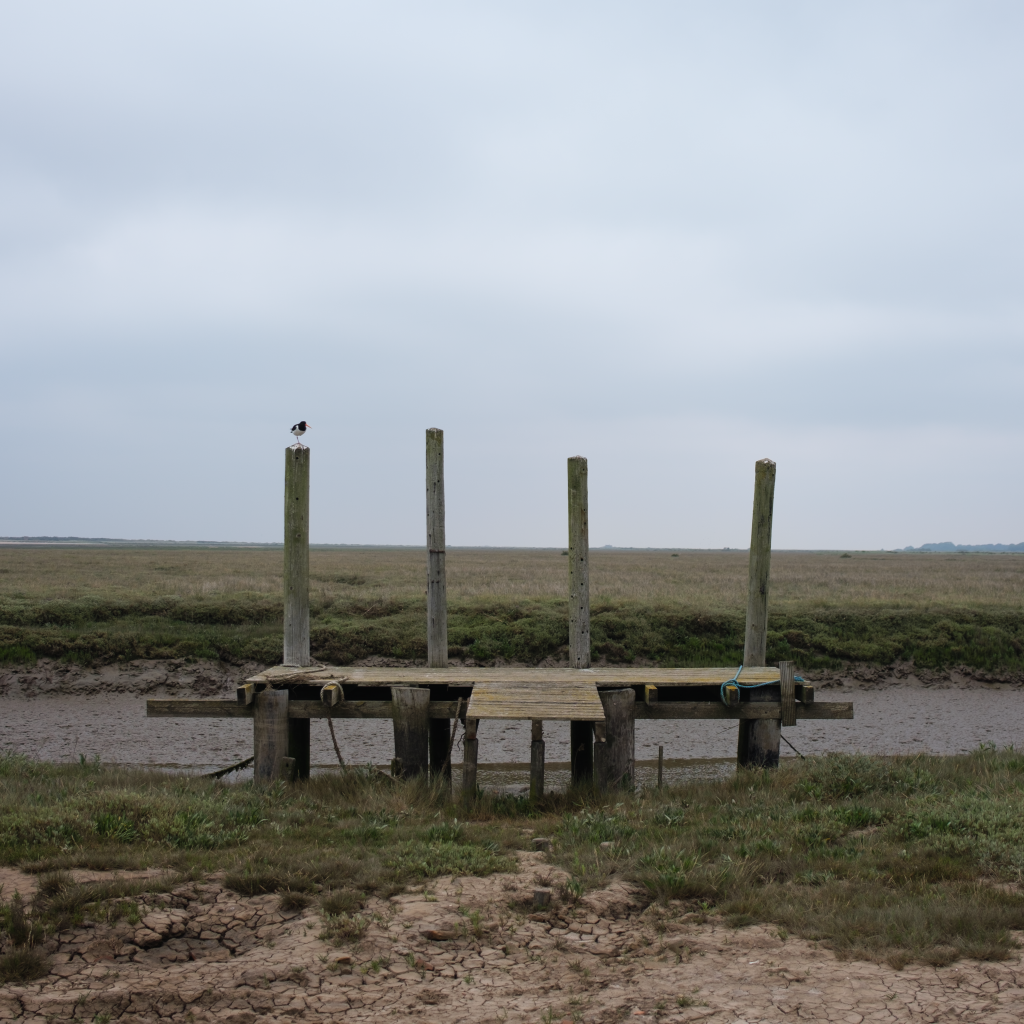
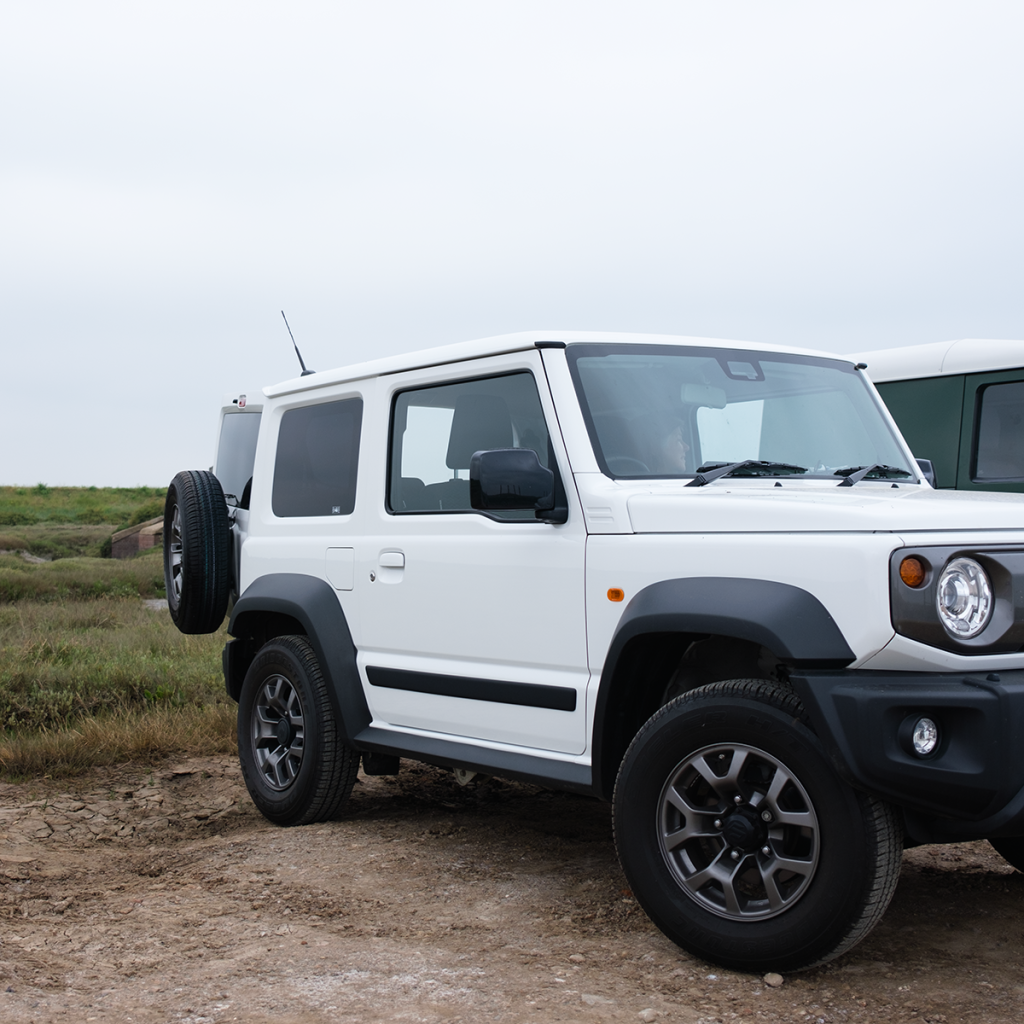
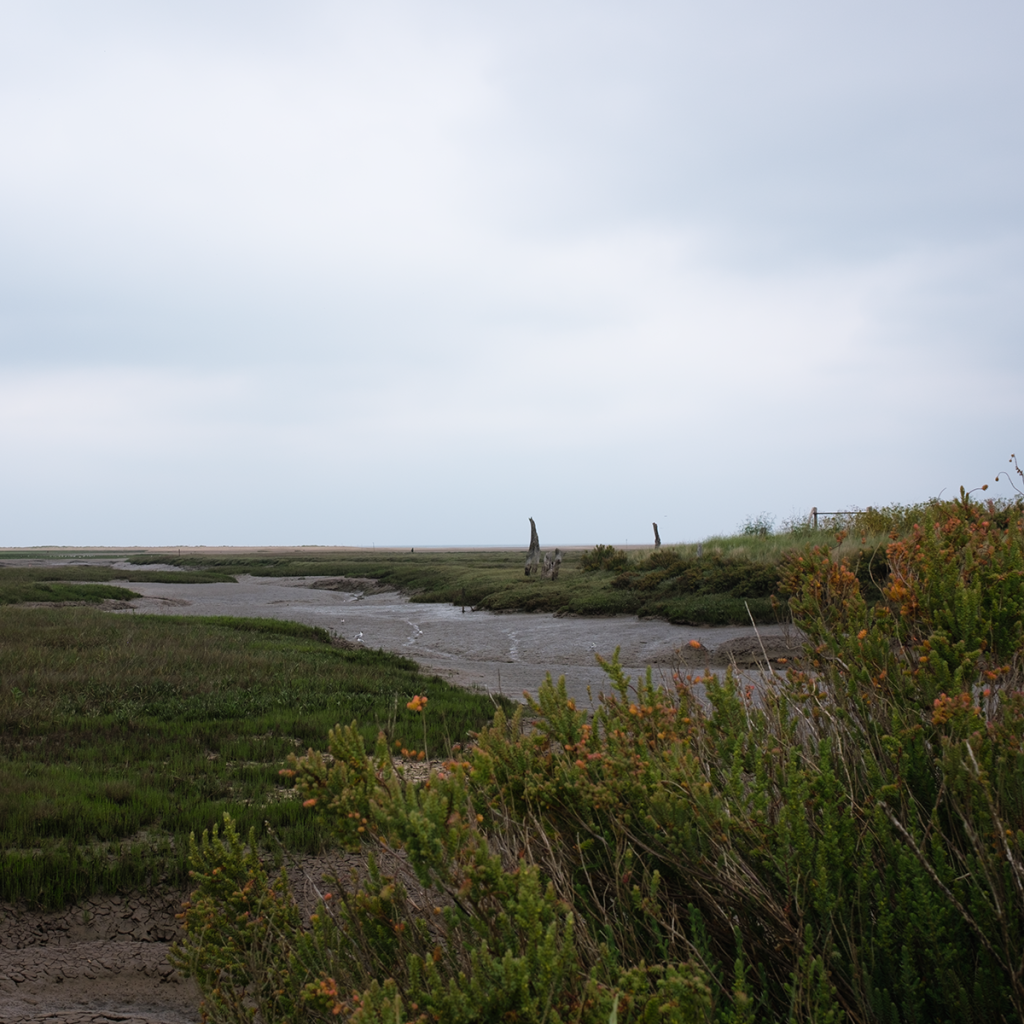
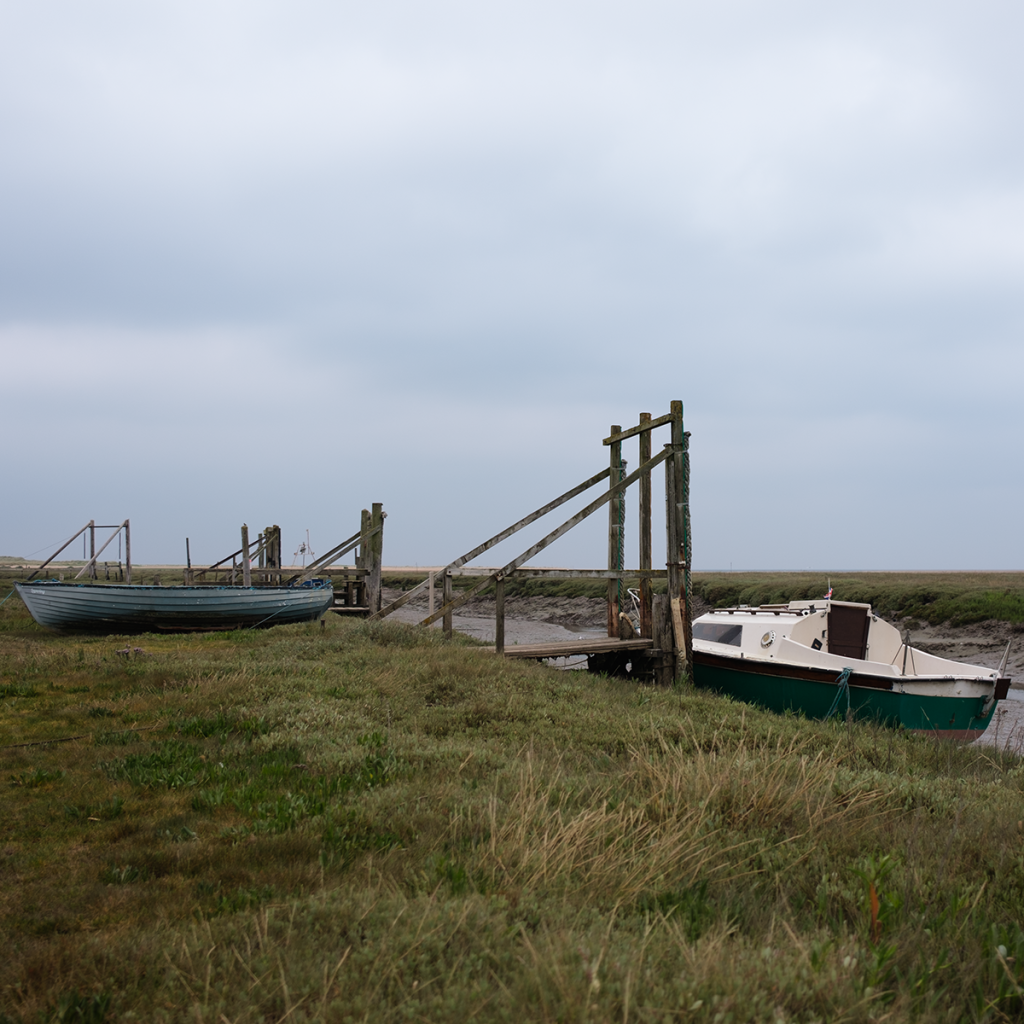
We had visited The Old Harbour before and found a place to park the ‘Zuke’, looking out over the marshes, beyond the harbour. A ‘Second breakfast’ was in order – Pippin would have been proud. A short walk across the Salt Marshes proved refreshing in the cool morning and it was a great landscape.
Holme-next-the-Sea
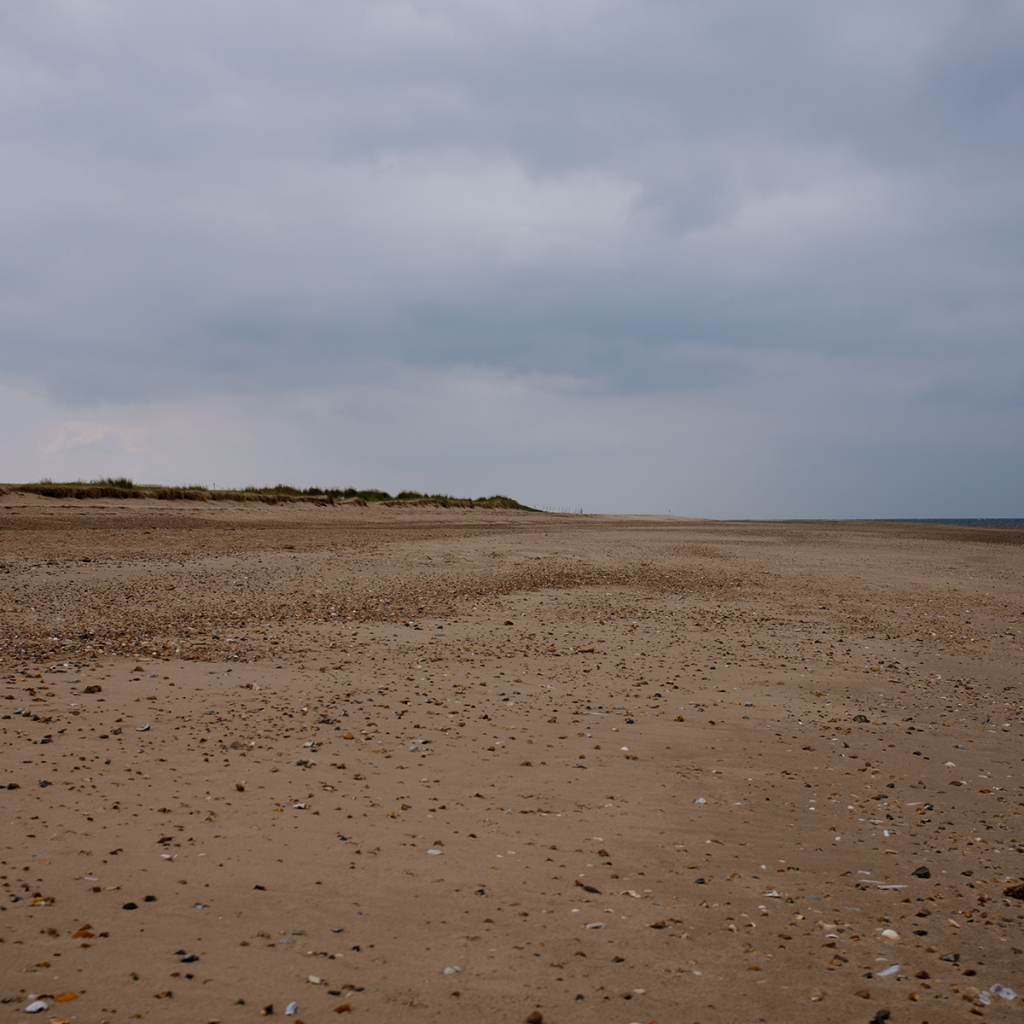
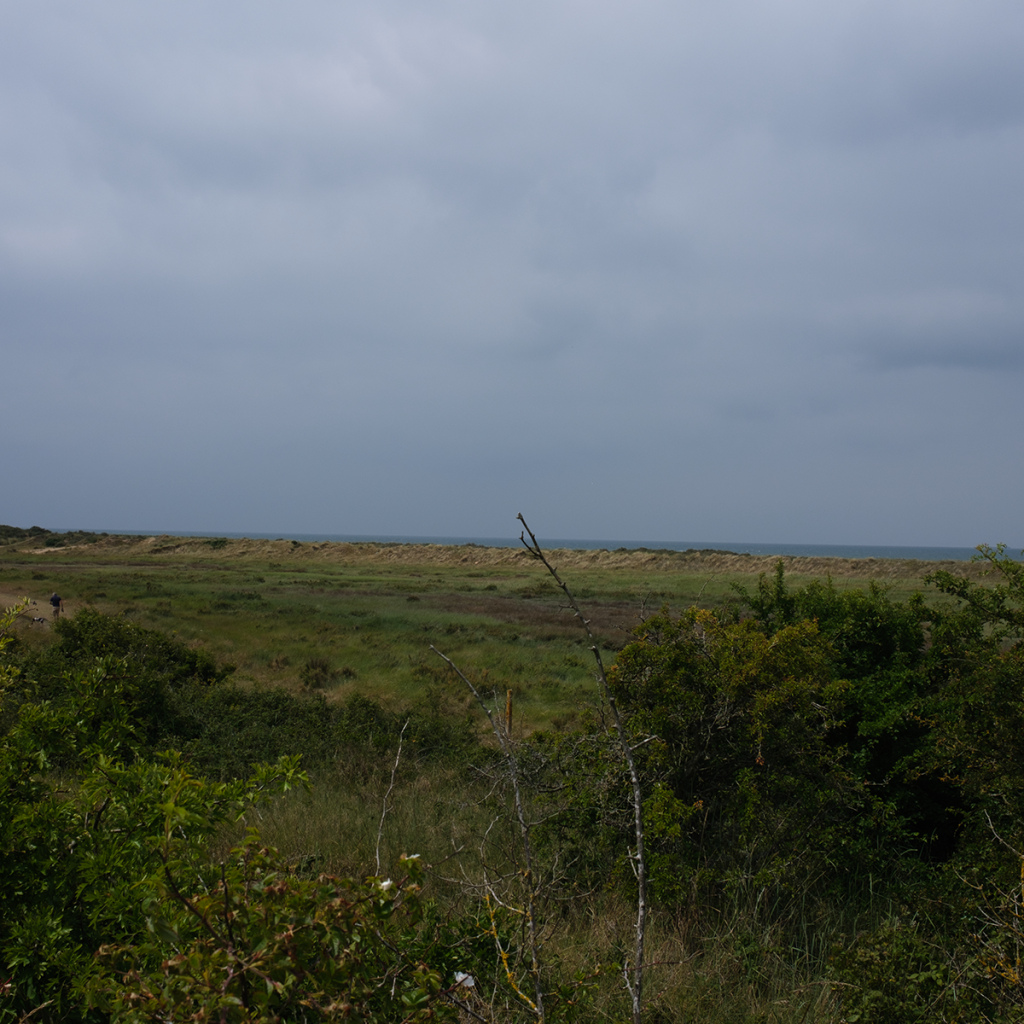
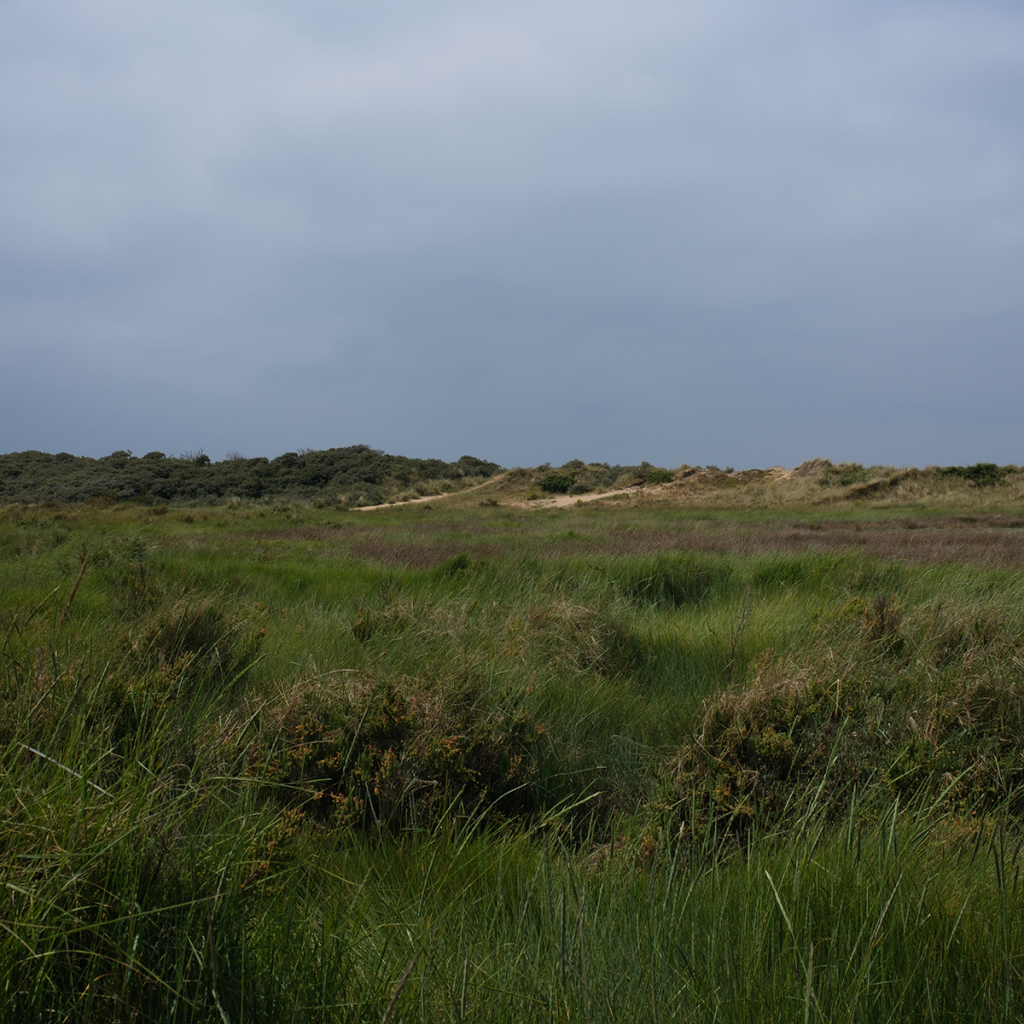
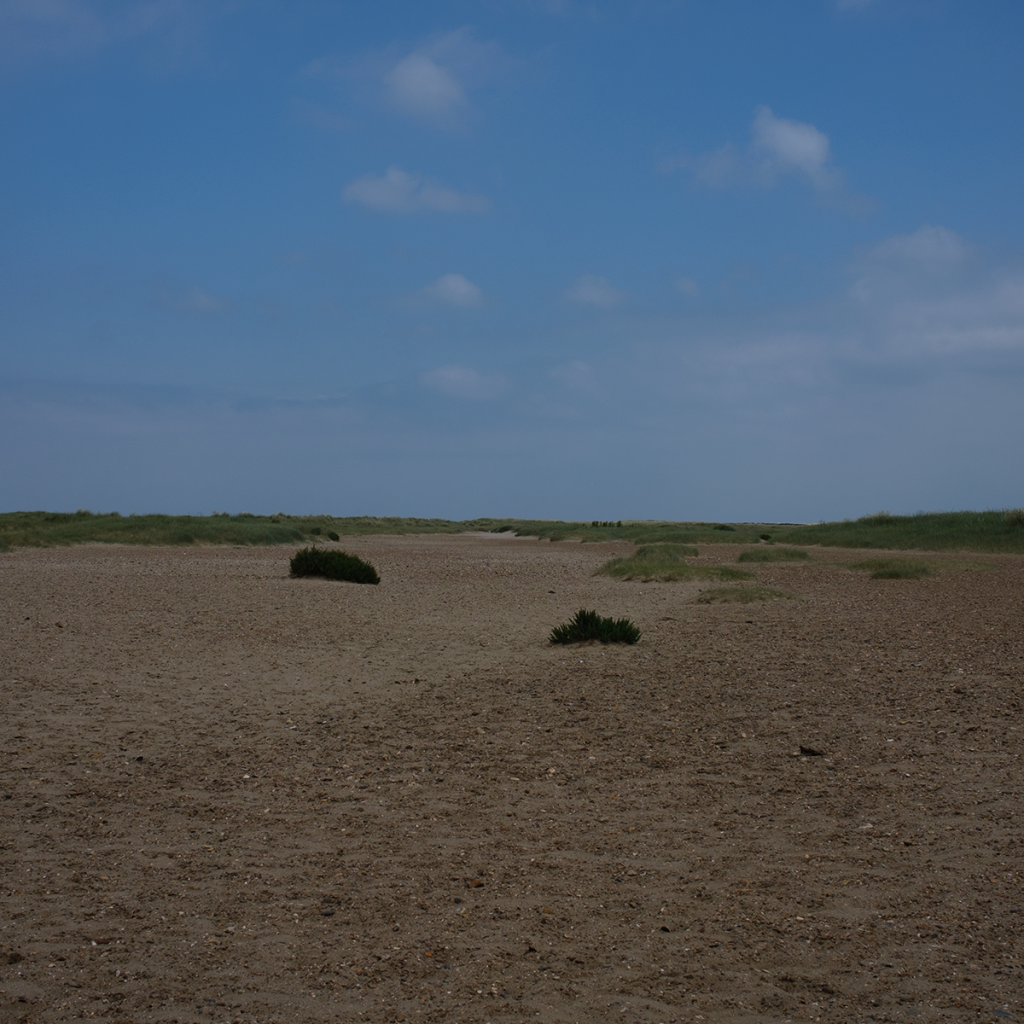
Finally, on to Holme. The alternative route to the beach, past the back of the Golf Club’s eighth tee took us through the dunes. The dunes have moved inland over the thousands of years and the trudge through loose sand and the specific flora that sand dunes support (Sea Pinks, Sea Holly and more) is a great contrast to the expanse of beach you eventually reach.
The landscape has obviously changed significantly since Seahenge was created. It was under sand and undersea and it was a specific storm that revealed the monument in 1998, otherwise it may never have been discovered. The following photographs show the nature of the space today, in which Seahenge inhabited
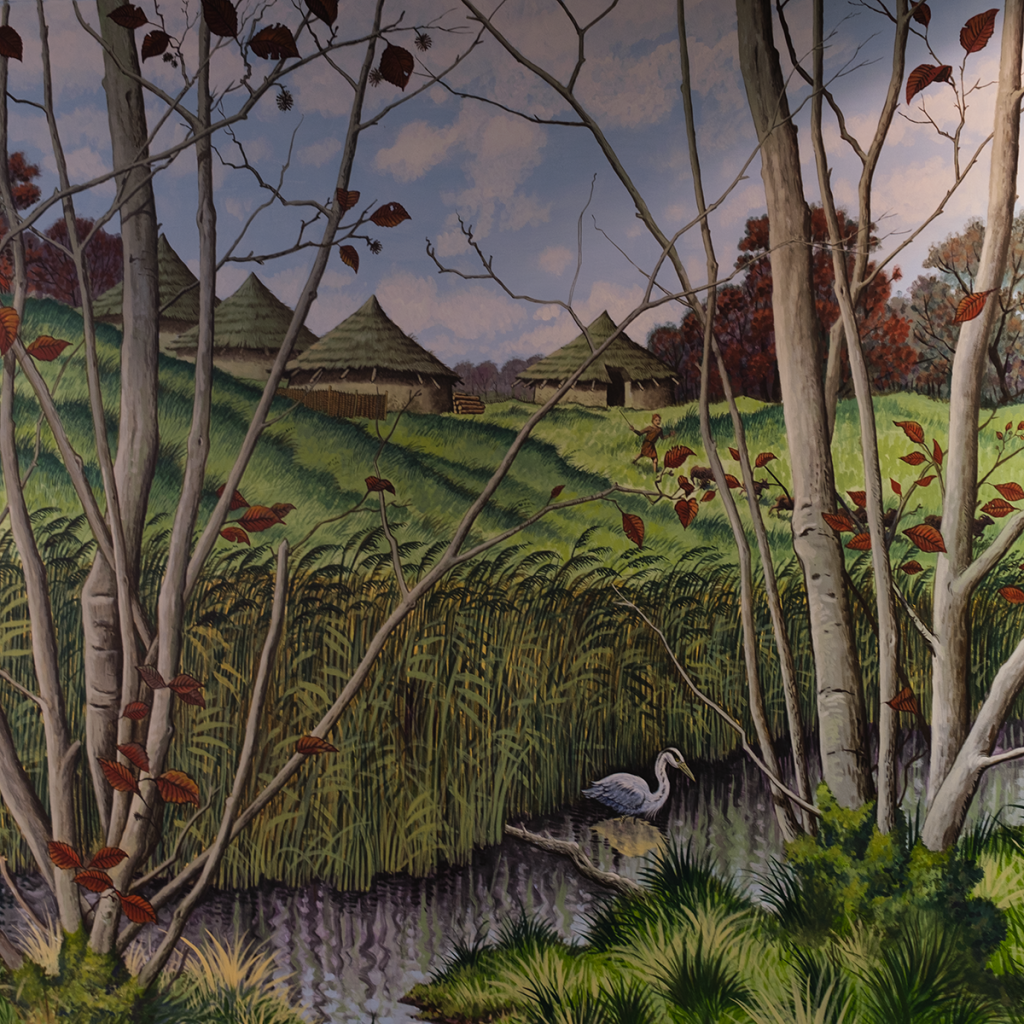
I find it an inspiring place. The incongruous fact that I try to connect with our ancient ancestors, in a place of sand & sea, that would have been grassland and trees at the time of building Seahenge, somehow works. The chance find, due to weather conditions allows us to connect. Walking back through the dunes completed the, in some small way pilgrimage in search of Seahenge.
Lynn Museum
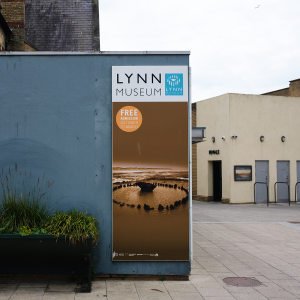
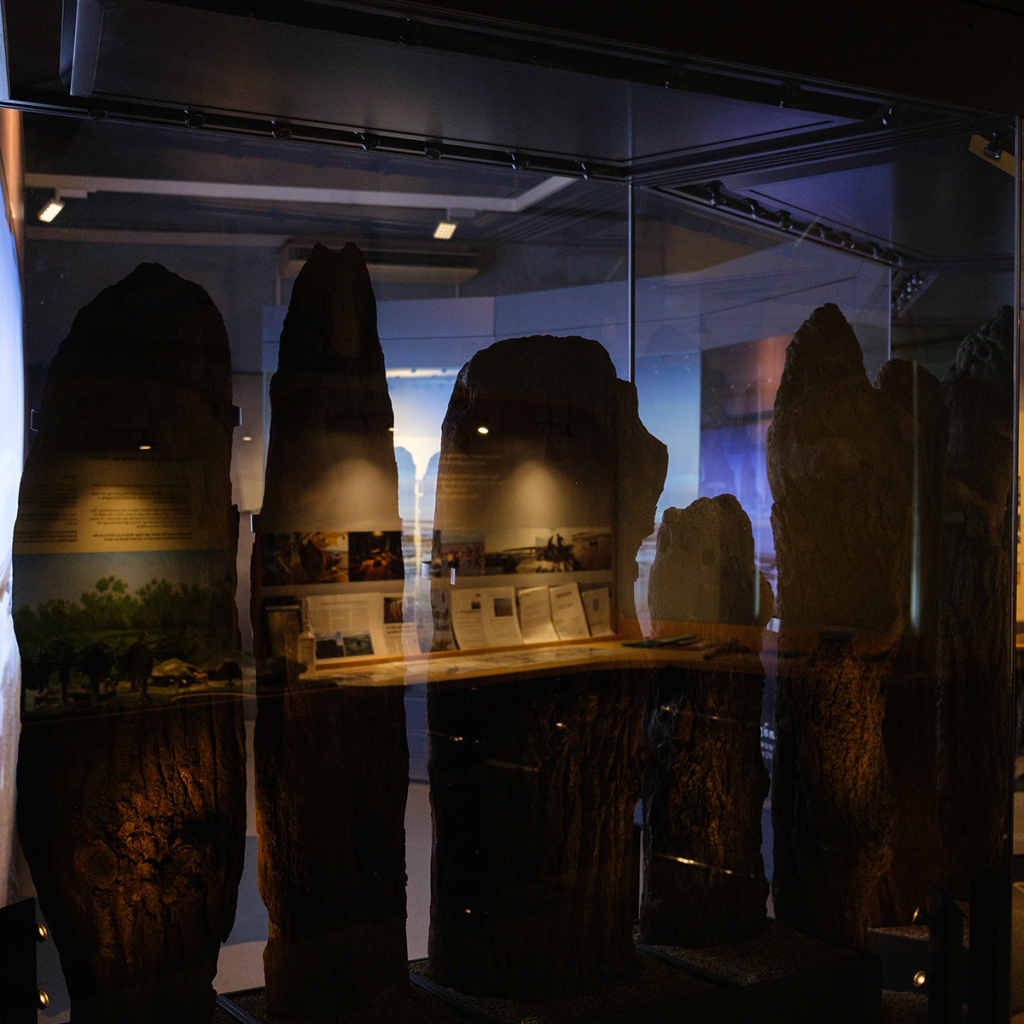
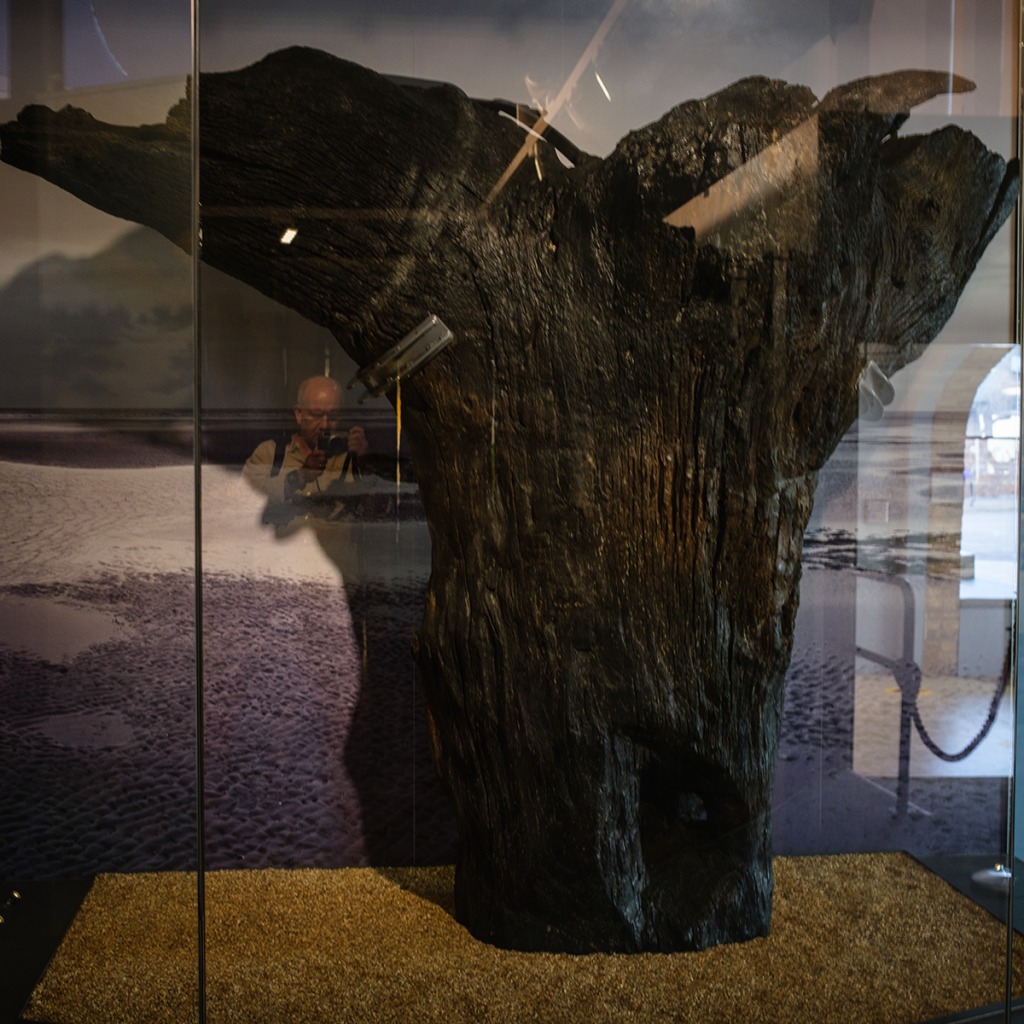
There was one final part to this day and that was to stop at King’s Lynn. This was to visit the museum where Seahenge (Holme I) has its final resting place. The Lynn museum houses the stabilised pieces of Seahenge, including the central upturned tree. We found it well worth the admission price to ‘see’ Seahenge. There was also an exhibition of one of Turner’s paintings that had just started so doubly worth the price (approx. £5 per person)
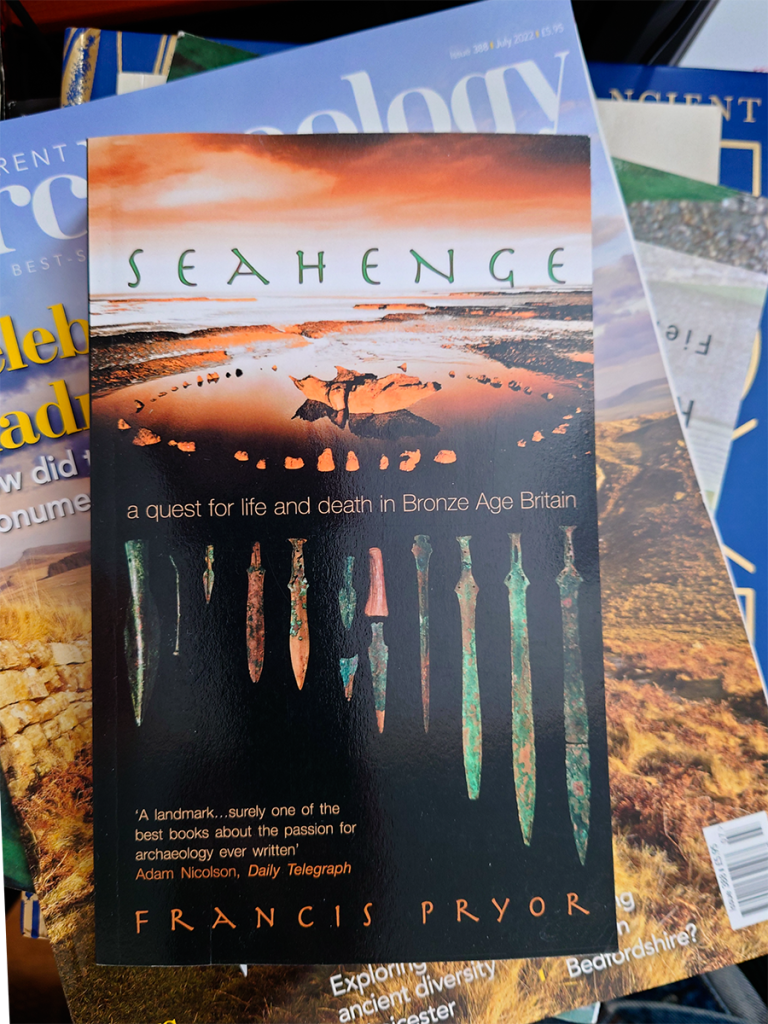
I went in search of Seahenge. Did I find it? Yes, I found the location and I found the actual trees that were used to build the monument. I also feel I captured just a little of something with my photography. I also bought the book Seahenge by Francis Pryor which I’m looking forward to reading. The achievements of our distant ancestors never ceases to amaze me.