Searching for Seahenge
I first heard about Seahenge via an Archaeology magazine when its discovery was published. It piqued my interest as I lived in Wiltshire for many years; the home of Stonehenge. The idea of a watery counterpart, as it were, was intriguing. I kept the magazine for years and years but I think it went the way of all things – it got lost in a house move.
I now live in East Cambridgeshire, which is very near to the location of Seahenge. So, it wasn’t long before a visit was on the cards – in search of Seahenge. It was discovered at Holme-next-the-Sea, on the North Norfolk coast, just above Hunstanton in 1998
The details of the monument are well documented and a bit of searching (using this resource) hi-lighted a few of things
- There’s nothing to see at Holme-next-the-Sea
- The monument (designated Holme I) was removed, stabilised and found its resting place at King’s Lynn at the Lynn Museum
- There was a ‘Holme II’, a second ‘Seahenge discovered in 1999, very close to Holme I but this was left in situ, to be buried by the sea again
I was unperturbed, I still wanted to visit the site, to get a feel for the place where this ancient henge was sited.
North Norfolk Coast
mu and I set off on a cool morning and made our way to the north coast of Norfolk. It was an easy drive, near due North for us from Ely. We made for Thornton as it was nearby, we had been there before and I remembered there was coffee there, at the Thornton Deli. The car park was full so no coffee yet. We drove back, over to Holme.

The approach to the coast where Seahenge is located is via a Golf Course. However, there was a tournament on, so the road was closed. We would have to take an alternative route, avoiding the course. We actually decided to visit Thornton and The Old Harbour there first, saving the ‘henge’ for later. A lot of backwards and forwards…
Thornton
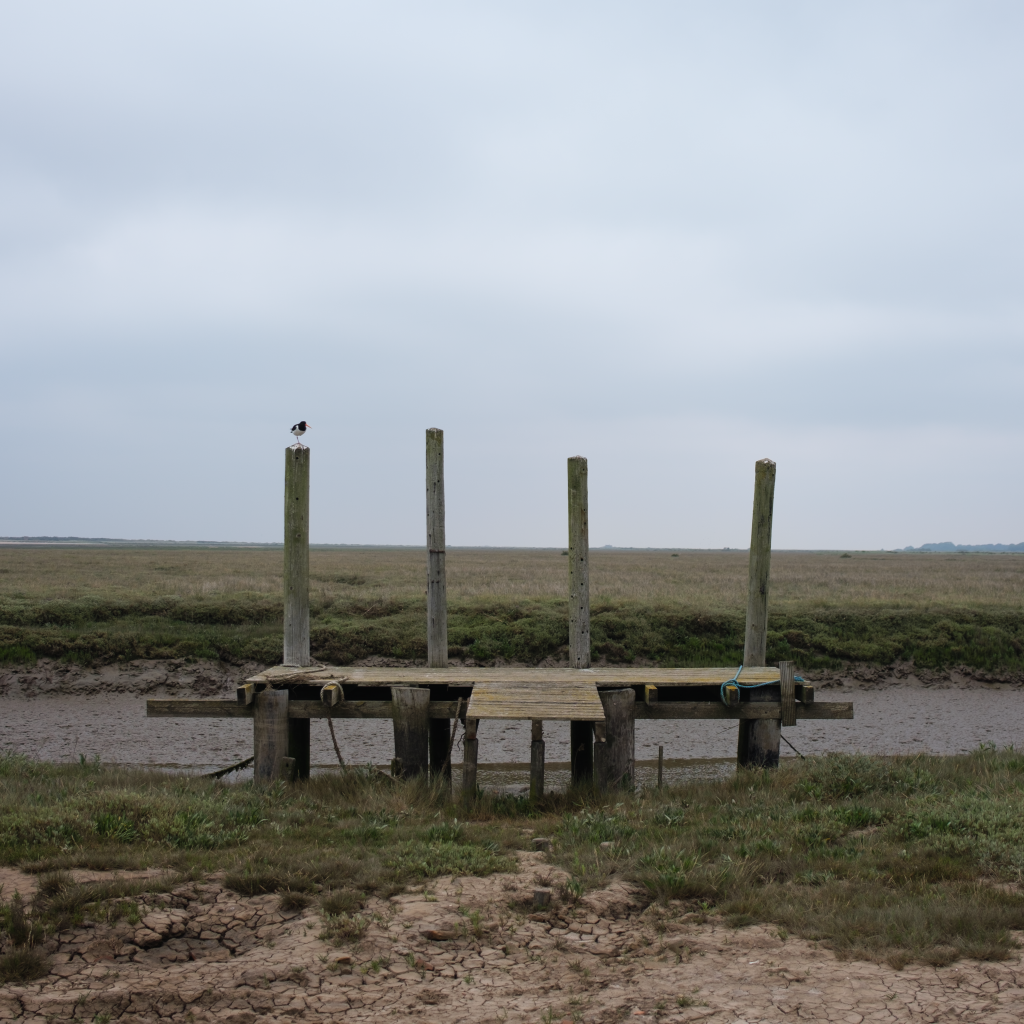
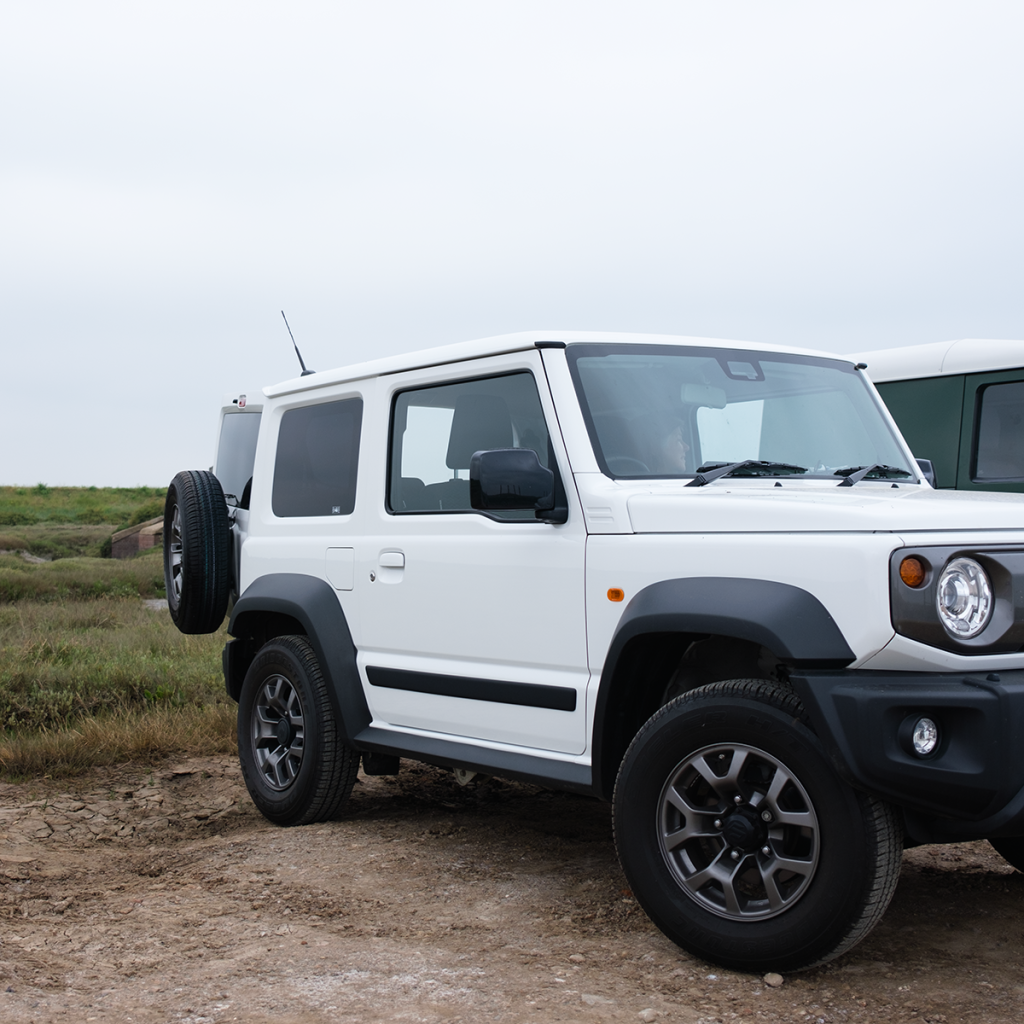
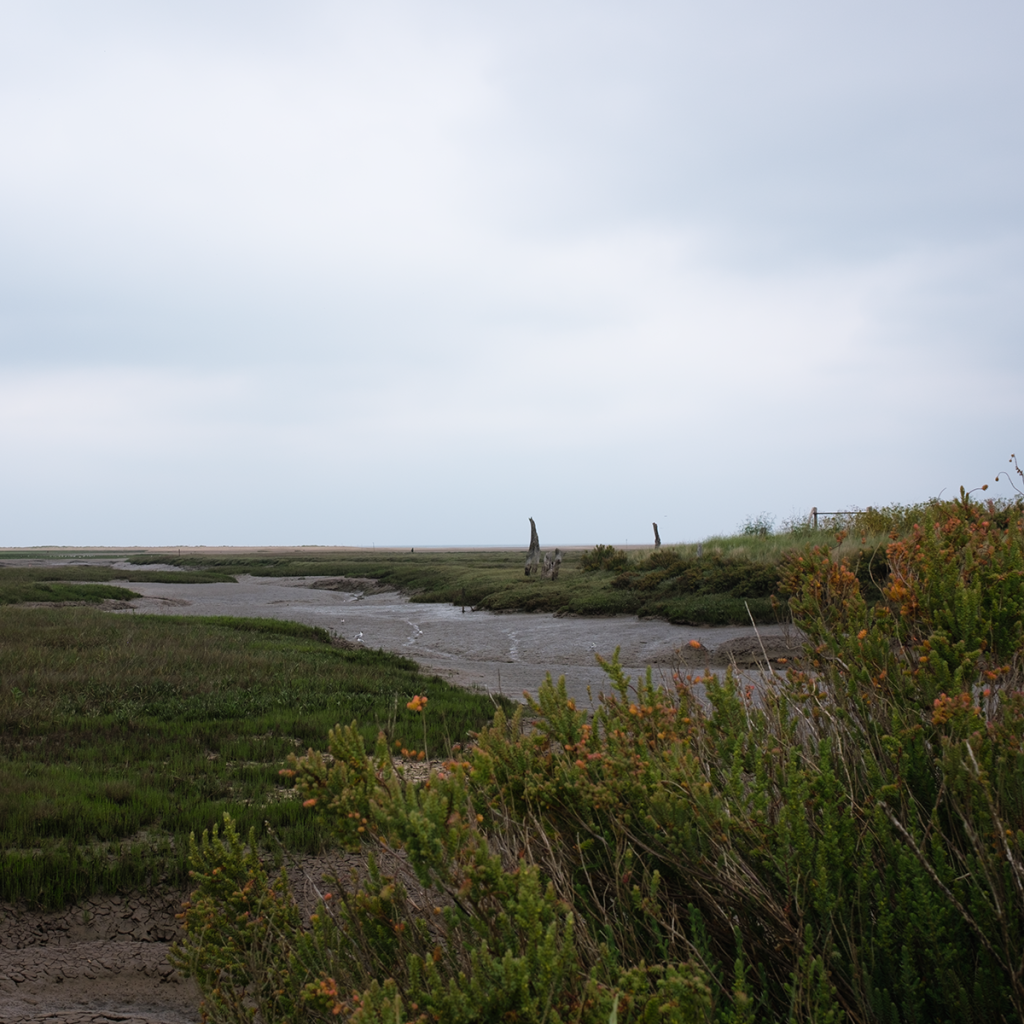
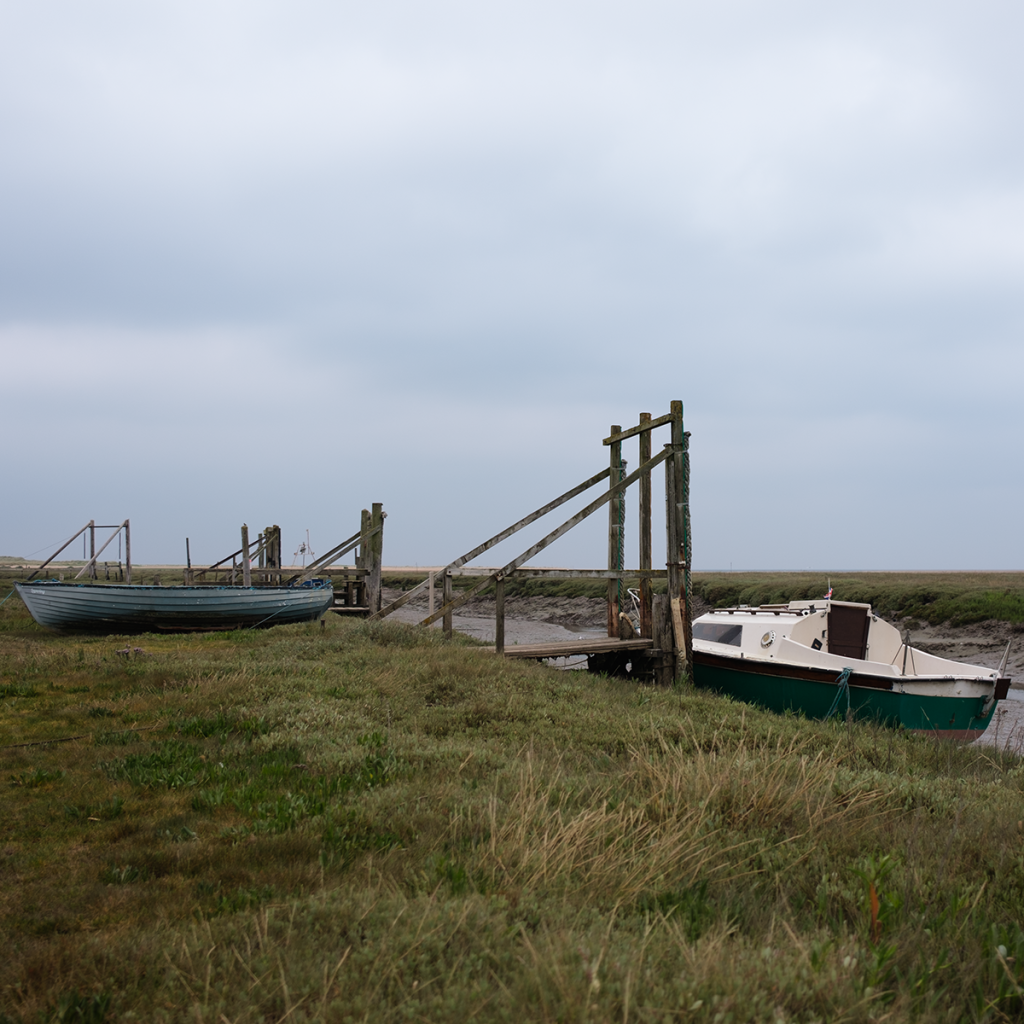
We had visited The Old Harbour before and found a place to park the ‘Zuke’, looking out over the marshes, beyond the harbour. A ‘Second breakfast’ was in order – Pippin would have been proud. A short walk across the Salt Marshes proved refreshing in the cool morning and it was a great landscape.
Holme-next-the-Sea
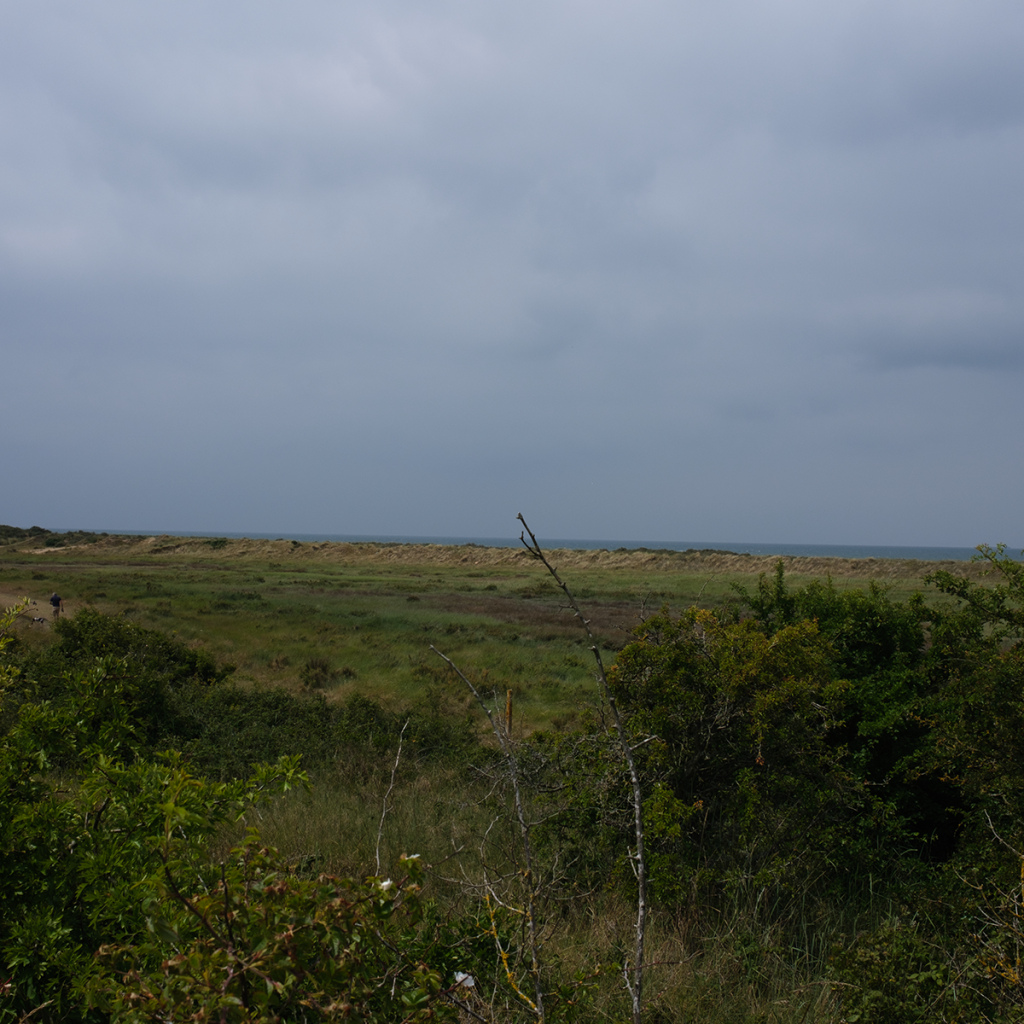
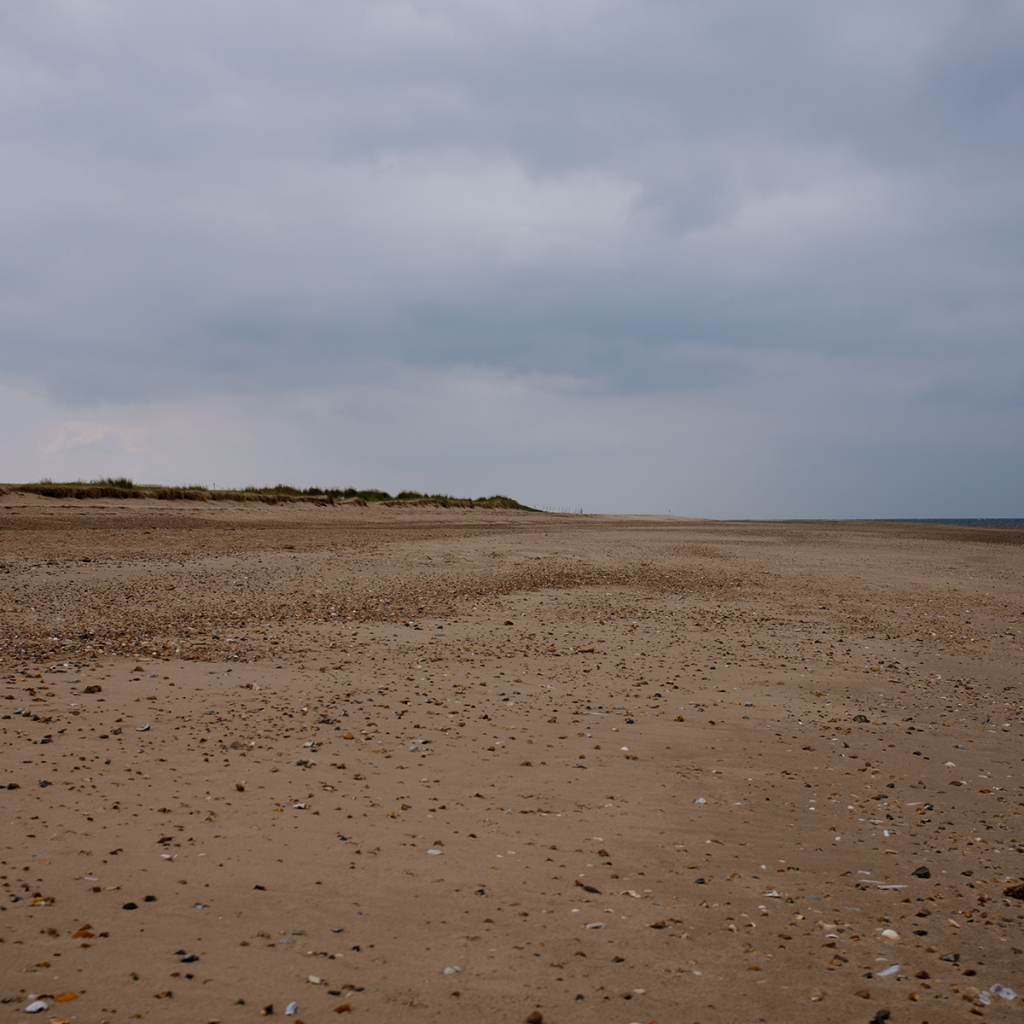
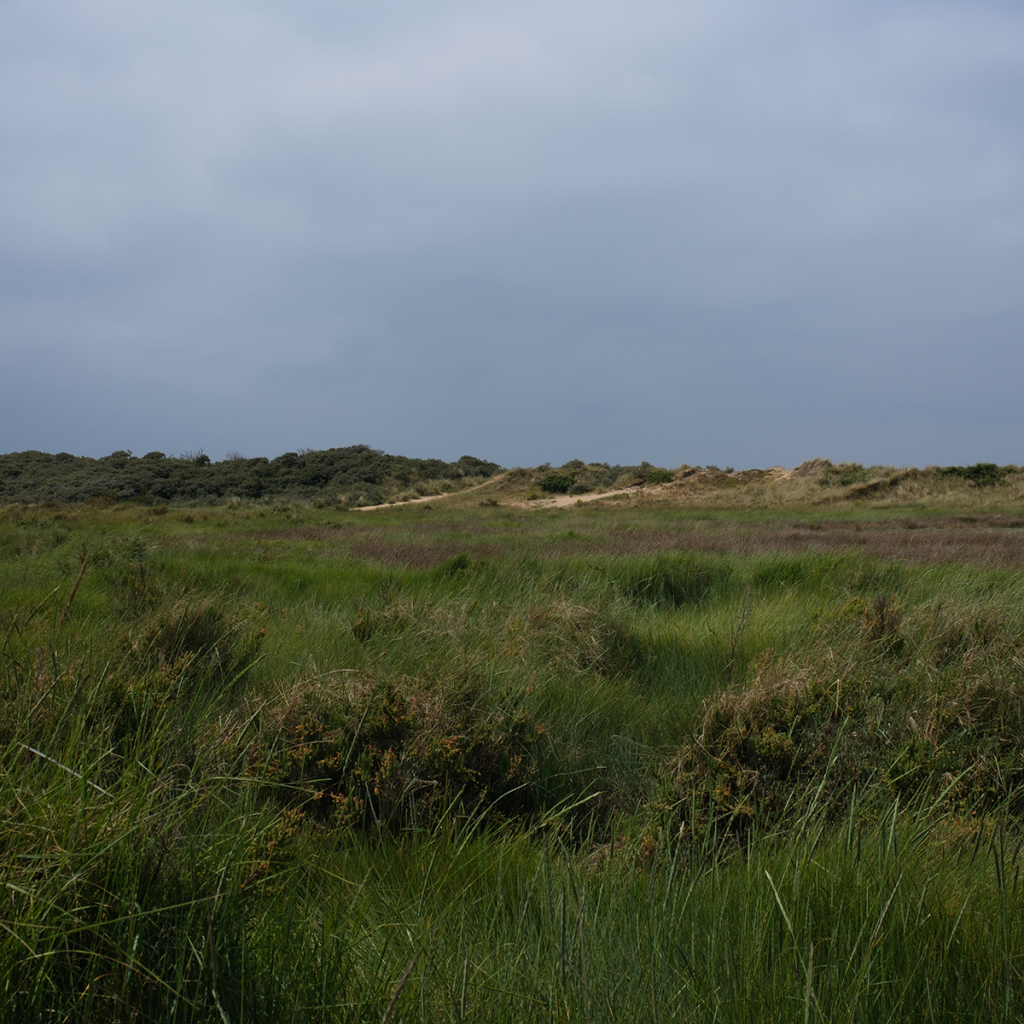
Finally, on to Holme. The alternative route to the beach, past the back of the Golf Club’s eighth tee took us through the dunes. The dunes have moved inland over the thousands of years and the trudge through loose sand and the specific flora that sand dunes support (Sea Pinks, Sea Holly and more) is a great contrast to the expanse of beach you eventually reach.
The landscape has obviously changed significantly since Seahenge was created. It was under sand and undersea and it was a specific storm that revealed the monument in 1998, otherwise it may never have been discovered. The following photographs show the nature of the space today, in which Seahenge inhabited
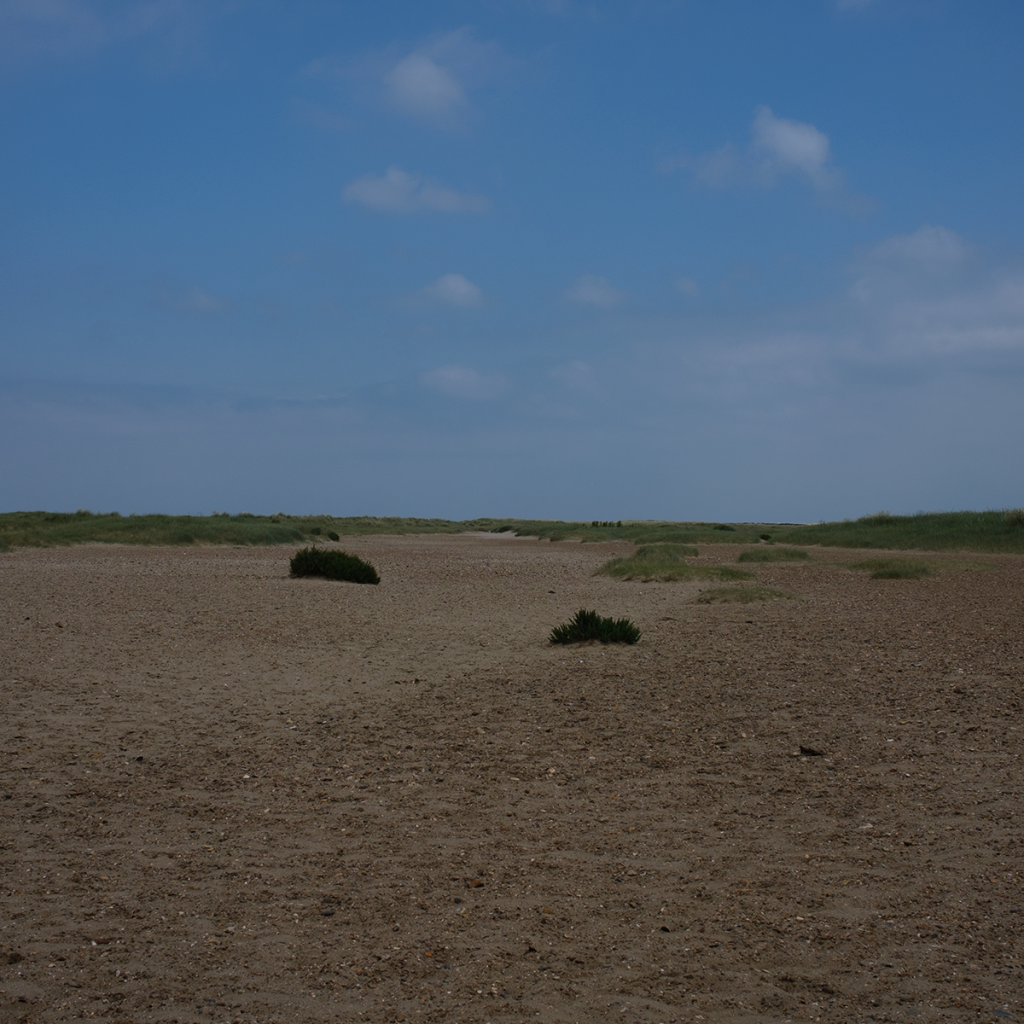
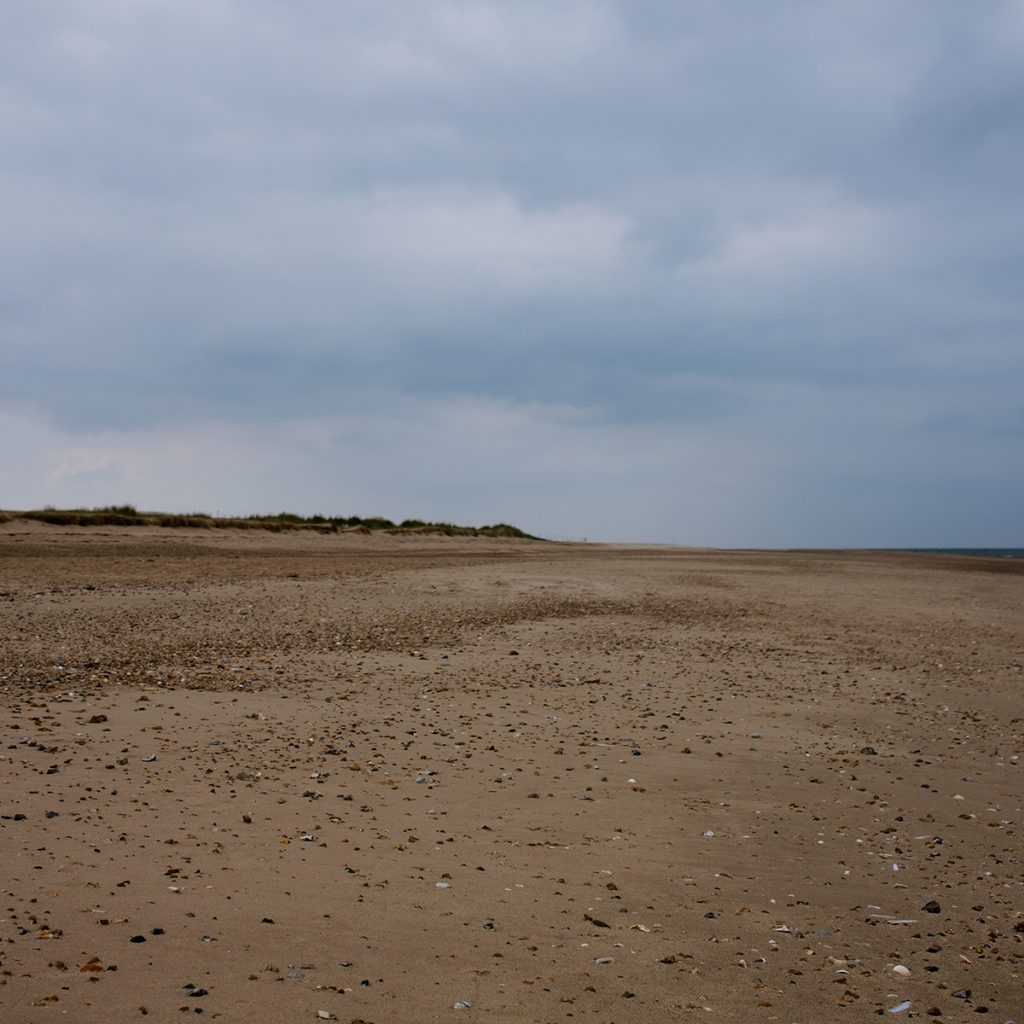
I find it an inspiring place. The incongruous fact that I try to connect with our ancient ancestors, in a place of sand & sea, that would have been grassland and trees at the time of building Seahenge, somehow works. The chance find, due to weather conditions allows us to connect. Walking back through the dunes completed the, in some small way pilgrimage in search of Seahenge.
Lynn Museum
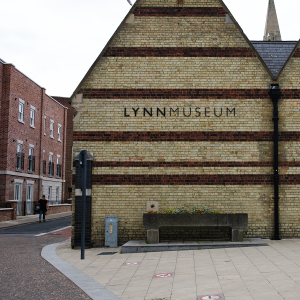
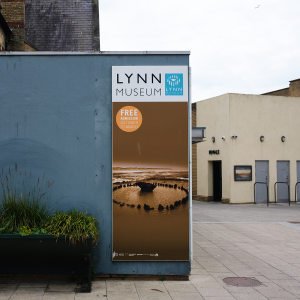
There was one final part to this day and that was to stop at King’s Lynn. This was to visit the museum where Seahenge (Holme I) has its final resting place. The Lynn museum houses the stabilised pieces of Seahenge, including the central upturned tree. We found it well worth the admission price to ‘see’ Seahenge. There was also an exhibition of one of Turner’s paintings that had just started so doubly worth the price (approx. £5 per person)
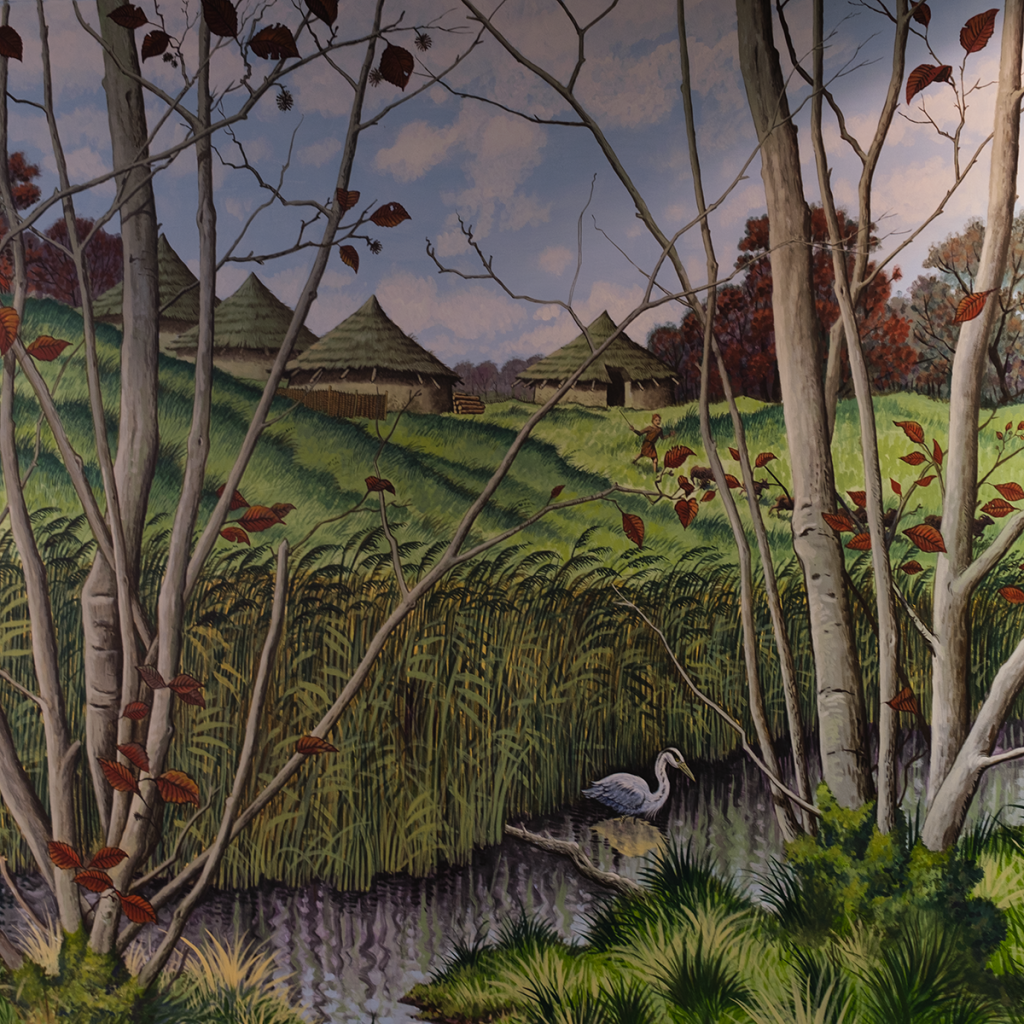
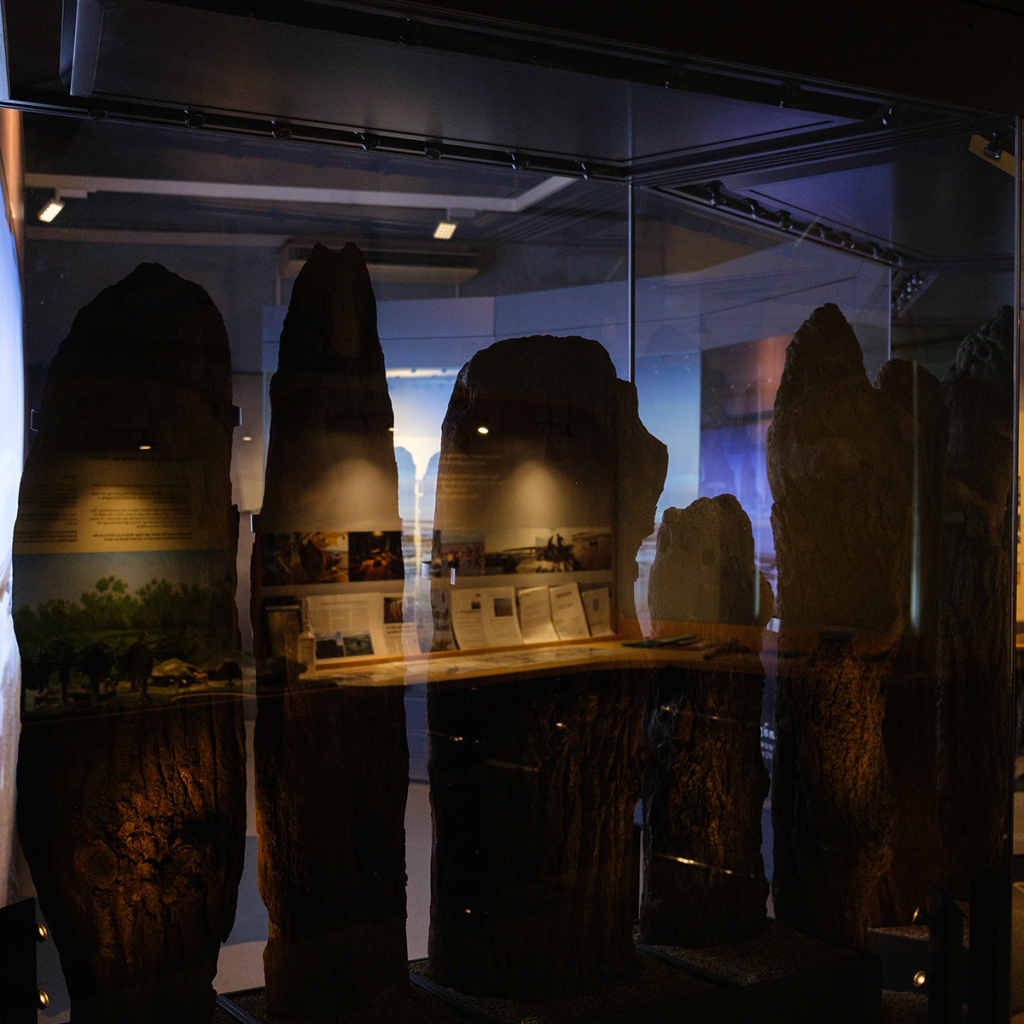
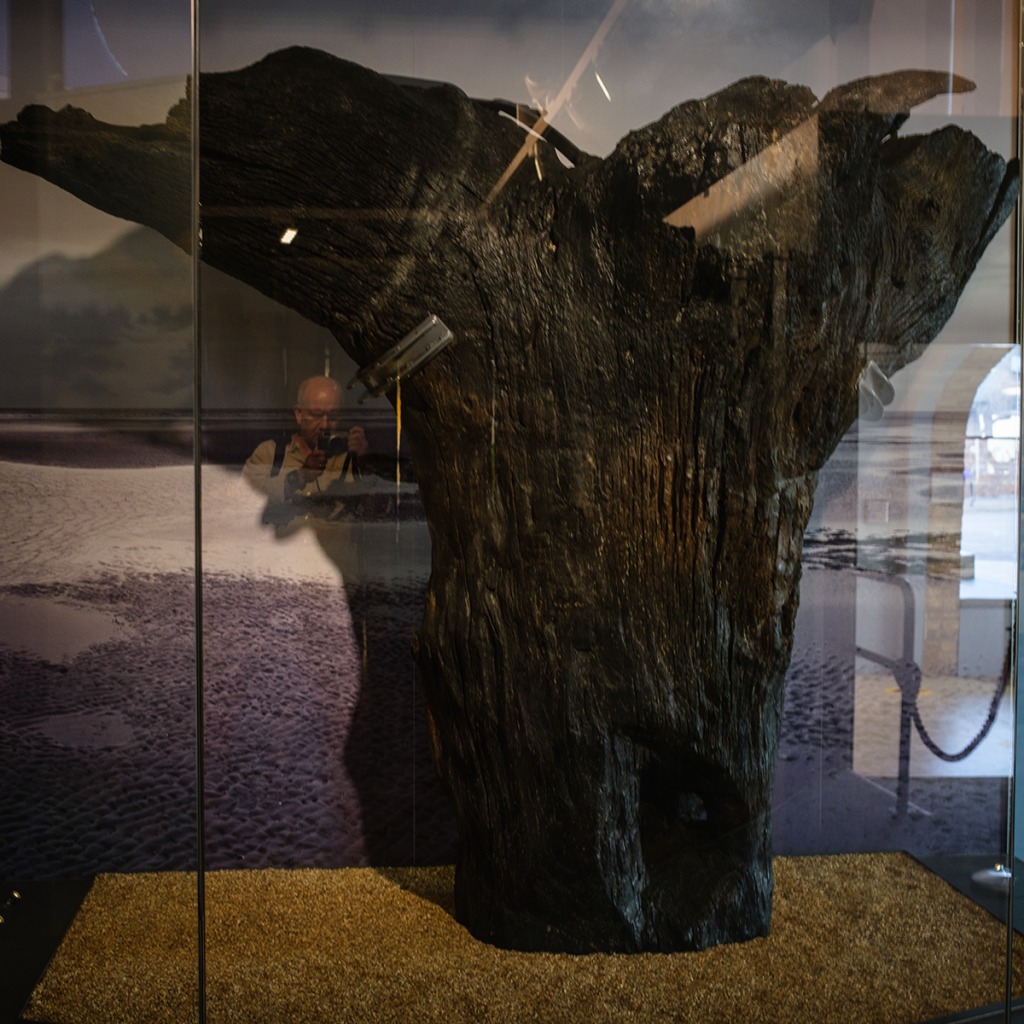
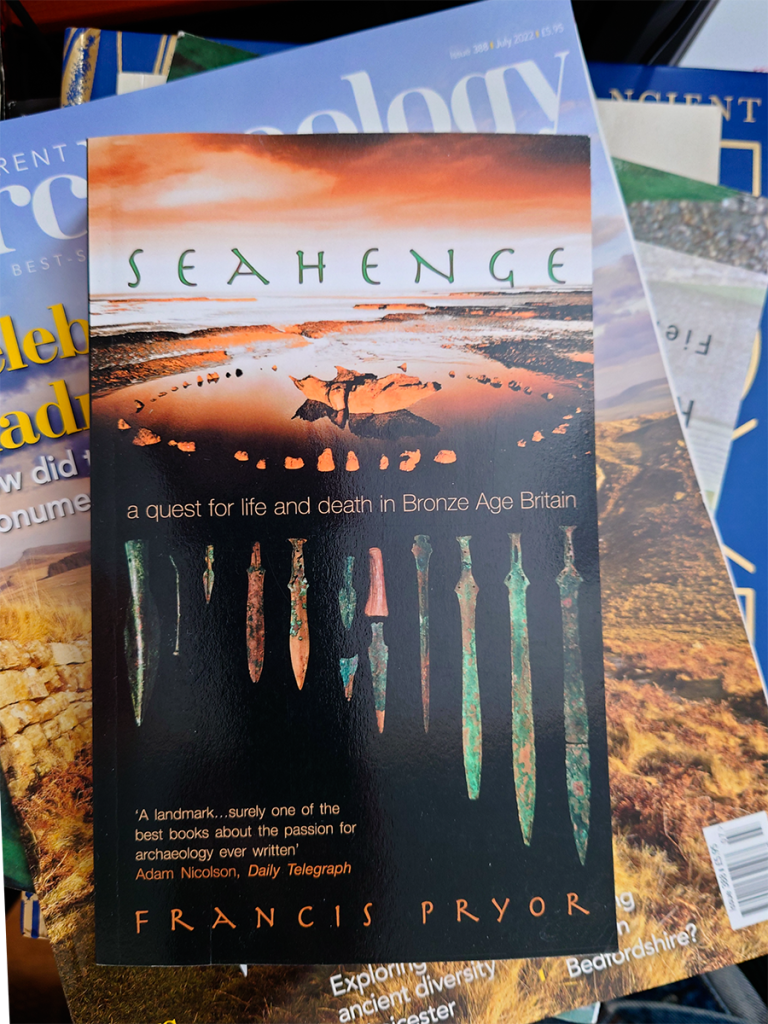
I went in search of Seahenge. Did I find it? Yes, I found the location and I found the actual trees that were used to build the monument. I also feel I captured just a little of something with my photography. I also bought the book Seahenge by Francis Pryor which I’m looking forward to reading. The achievements of our distant ancestors never ceases to amaze me.
Peace and photography
rp